
 The best mountain houses are designed by the land itself, long before an architect ever puts pencil to paper.
Timber, Stone, and Steel: Choosing Materials That Belong in the Mountains
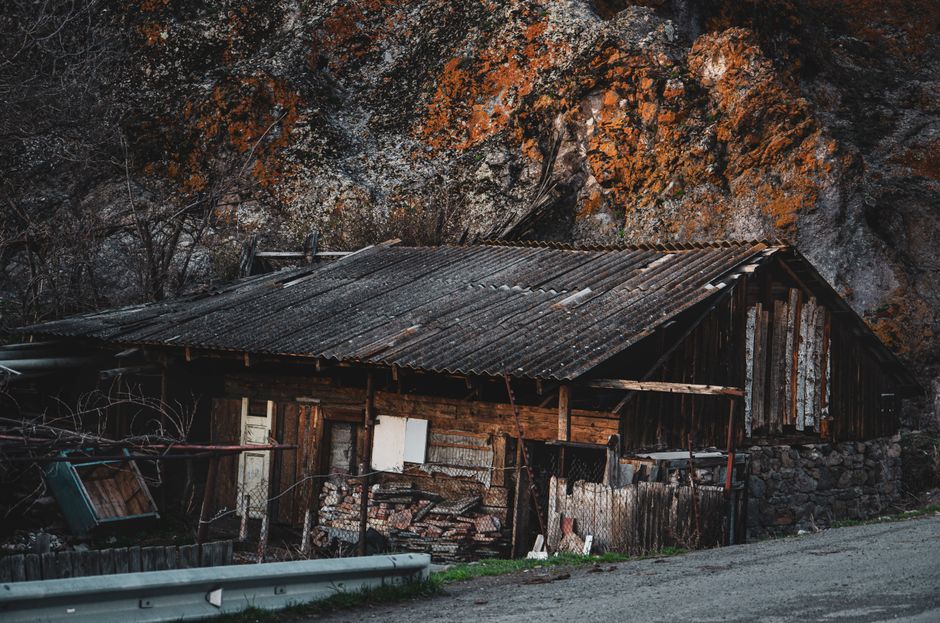
There is a reason mountain architecture leans so heavily on wood, stone, and metal, and it is not nostalgia. These materials make sense here. They stand up to snow load, temperature swings, and decades of freeze-thaw cycles. They weather into something better rather than worse. And they carry a visual weight that feels right against a granite ridge or a stand of lodgepole pine.
But 'mountain materials' can become a cliché fast. The goal is not to recreate a rustic cabin from a century ago. It is to use honest materials in a way that feels current, calm, and built to last. That usually means fewer materials, used well, rather than a sampler of every texture the region offers.
Wood: Structure and Warmth
Heavy timber framing gives a mountain home its bones, and exposed beams and rafters add warmth that drywall simply cannot. But not all wood ages the same way. Softwoods like fir and pine are affordable and take stain and finish readily, while species like cedar and larch resist rot and weather to a silvery gray that many homeowners come to love. Inside, wide-plank floors in a matte finish hide the scuffs of boots and firewood far better than a high-gloss surface ever will.
The key is restraint. If the ceiling is a cathedral of exposed trusses, the floors and millwork can stay quieter. Let one element carry the drama and let the others support it.
Stone: Anchoring the House to the Ground
Stone is what ties a mountain home to its site. A stone base, chimney, or entry wall reads as though it emerged from the earth, and it holds heat from a fire long after the flames die down. Local stone, if you can get it, carries the specific color of your landscape in a way that shipped-in veneer never quite does.
Use it where it counts, at the base, at the hearth, at the threshold, rather than spreading it thin across every surface. A little stone, placed with intent, does more than a lot of stone applied indiscriminately.
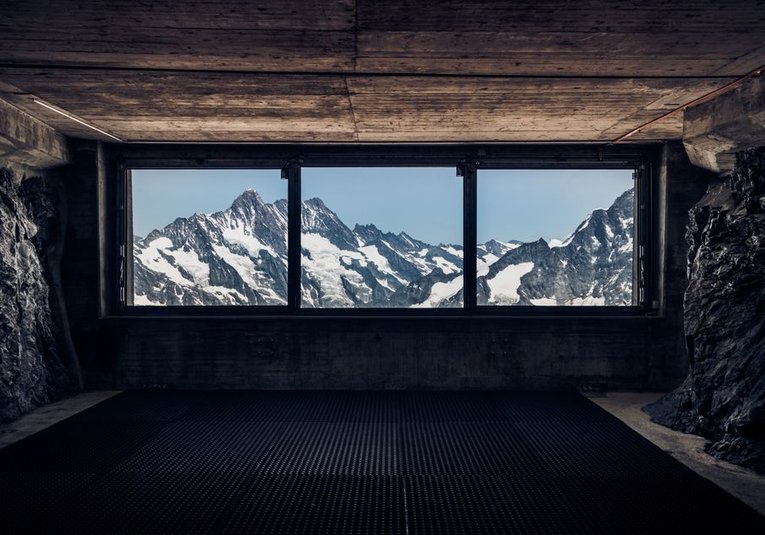
Steel and glass round out the palette, and they are what keep a timber-and-stone house from feeling like a theme park. Blackened steel railings, a crisp metal roof that sheds snow, large panes that pull the view inside: these modern moves let the traditional materials breathe. A metal roof, in particular, is a mountain workhorse, shrugging off snow and ice that would shorten the life of asphalt shingles.
Whatever you choose, think in decades. A mountain house is judged not on how it looks the day you move in, but on how it looks after fifteen winters. The right materials only get better.