
 In a mountain home, the view is the most important room, and the windows are how you furnish it.
Reading the Land: How to Site a Mountain Home Before You Draw a Single Line
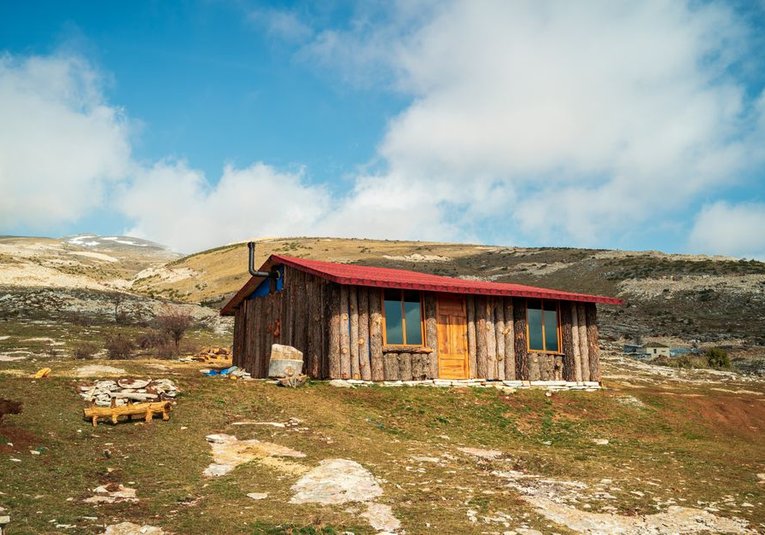
Before anyone argues about timber versus steel or oak floors versus stone, there is a quieter conversation that has to happen first: the one between the house and the ground it sits on. In mountain architecture, siting is not a preliminary step you rush through on the way to the fun part. It is the fun part. Get it right and the house will feel inevitable, as though it grew there. Get it wrong and no amount of beautiful detailing will fully rescue it.
Start by walking the property in every season you can manage, and at different hours of the day. A slope that feels gentle in July may be an ice chute in February. A meadow that seems to beg for a house may sit in a frost pocket where cold air pools at dawn. Watch where the snow lingers last in spring, where the wind scours a ridge bare, and where afternoon light lands on a rock face. These observations become the raw material of your plan.
Orientation Is Everything
In the mountains, the sun is both a gift and a force to be managed. A southern exposure gives you passive warmth in winter and daylight that lasts, but it can also mean brutal summer glare and snowmelt running toward your foundation. Many mountain homes work best with living spaces angled toward the view while glazing is tuned to the sun's path, deep overhangs for summer shade, and smaller, well-insulated openings on the windward side. The view and the sun are not always in the same direction, and reconciling them is one of the great puzzles of mountain design.
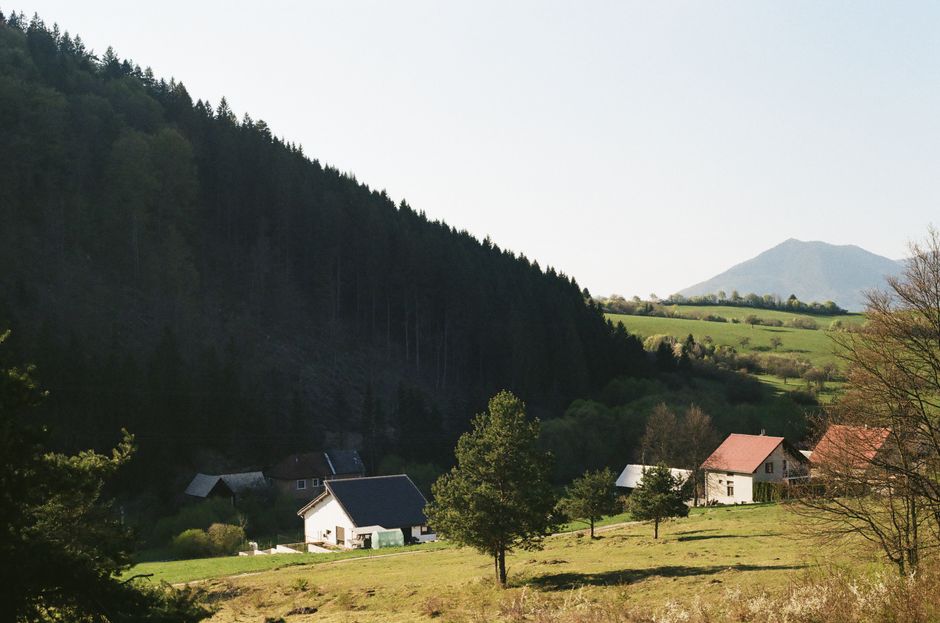
Slope matters too. Building into a hillside, rather than flattening it, often produces a home that feels anchored and protected. A walkout lower level tucked into the grade gives you usable space without a tall, exposed wall that fights the landscape. On steeper sites, a series of terraced volumes can step down the hill, each level catching its own slice of light and view.
Access, Water, and the Practical Bones
Then come the unglamorous questions that shape everything. Where does the driveway land, and can a plow and a delivery truck actually use it? Where does water go when the snowpack melts all at once? How will you get materials to the site, and what will that do to the trees you want to keep? A good designer thinks about the path a concrete truck takes as carefully as the path a guest takes to the front door.
Finally, resist the urge to clear the site for a better view. The trees you remove for a vista are often the same trees that give the house its sense of shelter, shade its western glass, and hold the soil on the slope. The most memorable mountain homes tend to frame their views through the forest rather than bulldoze it aside. Let the land lead, and the architecture will follow.