
 A covered, heated outdoor space can turn a mountain home's best months into a year-round asset rather than a three-season luxury.
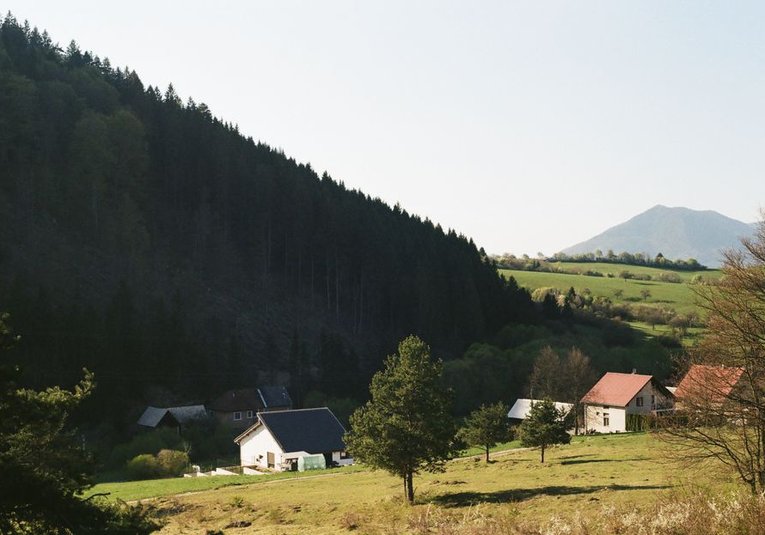
Bringing the Outside In: Windows, Views, and the Art of Framing a Mountain
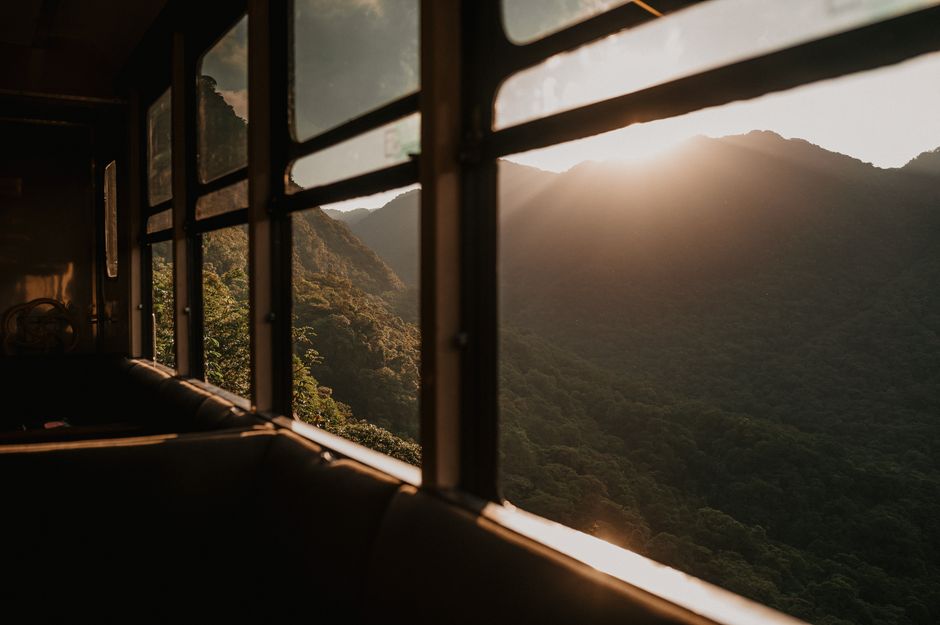
People do not build in the mountains for the wallpaper. They build for the view, the light, the sense of being suspended in a landscape that changes hour by hour. That makes windows the single most important design decision in a mountain home, more consequential than any finish or fixture. Get the glazing right and the house feels connected to something vast. Get it wrong and you have either a bunker with tiny peepholes or a fishbowl with no privacy and no warmth.
The first principle is that not every wall should be glass. A house wrapped entirely in windows loses its sense of shelter and becomes exhausting to be in. The magic comes from contrast: a solid, protected interior that opens, at chosen moments, to a framed view. Think of each window as a picture frame, deliberately placed to capture a ridge, a stand of trees, or the way light lands on a peak at dusk.
Framing, Not Just Glazing
The shape and proportion of an opening change what you see. A tall, narrow window emphasizes a vertical view, a waterfall, a distant peak, the height of the pines. A wide horizontal window stretches a valley or a lake into a panorama. Corner windows dissolve the room's edges and let the landscape wrap around you. A window placed low to the floor brings the meadow and the wildflowers right up to your chair.
Consider mullions carefully. Heavy grids can chop a view into fragments and read as fussy in a modern mountain home, while thin or absent mullions let the landscape dominate. But a well-placed single mullion can also give a vast view a sense of scale and rhythm. There is no single rule, only the question of what the view wants.
Managing Light, Heat, and Privacy
Big glass brings big consequences. In summer, an unshaded west-facing wall of windows can turn a great room into a greenhouse. Deep roof overhangs, exterior shades, and low-e coatings all help, and they are far more effective than interior blinds, which trap heat once it is already inside. In winter, that same western glass can be a gift, flooding the house with low, warm light.
Privacy cuts both ways in the mountains. Often the nearest neighbor is far away, so the view is wide open. But at night, a lit interior becomes a stage, so exterior lighting, thoughtful landscaping, and sheer layers give you the option to close down without losing the view by day. Automated shades that drop at dusk are a quiet luxury many mountain owners come to rely on.
Finally, remember that the view is not only what you see out, but what you see in. A window that frames a beautiful ridge also frames the reflection of your own room, your fire, your lamps, your family. Design the interior so that reflection is worth looking at, and the boundary between inside and out becomes something richer than a pane of glass.